
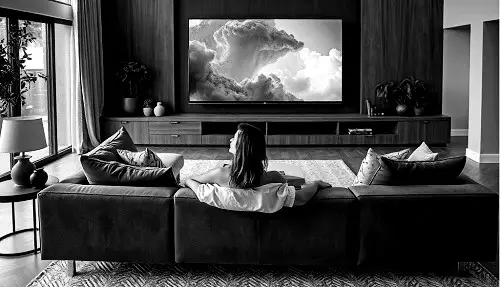
Adapting reality to suit our needs
Sometimes you can be surprised by how things that we might define as ‘unrelated’ can be seen as connected in some way.
While watching a Netflix series that has been running for 6 seasons, suddenly one of the main actors leaves the show. As you can imagine, he had an accident and died.
It really seemed odd that a successful series would lose an actor who wasn’t sick or had another contract to fulfill.
Searching for information about the series, I found an article stating that another actor in the cast had made such an impact on the audience, particularly among women, that it led to changes in the script to give him more prominence, and the main actor did not agree with the change, so he ‘died’ in the series.
This has happened several times before, where in soap operas, characters who have died appear again in later episodes as if nothing had happened.
Keep in mind that we are talking about series or soap operas, not ‘real life.’
Now, beyond the fact that series and soap operas are made for entertainment and particularly for commercial purposes, adjustments are made to achieve a larger audience and ultimately more money. But there is something to consider: deviating from an approved script or book just to make more money is not like selling one’s soul to the devil? All for money? And what about the principles and objectives that initiated something?
That would be losing the essence of things. When money becomes the center of everything we do, we say goodbye to literature, to art, to creativity, to values, and in some cases even to history as it was. This is how the value of the genuine is lost.
The loss of values leads to consumerism, vulgarity, and a leveling down of what is known to ‘low vibration’. This situation does not escape the analysis of the current state of the society in which we live.
In the case mentioned at the beginning, the actor who gains prominence is well built, is adventurous, tough, tenacious, very good in bed, and in general very attractive to women. Meanwhile, the one who died could be described as an intellectual with a common appearance. According to reports, the female audience was the one that drove the change in part of the script or the roles of the actors.
The question we must ask ourselves is how it can be that a ‘character’ who doesn’t exist, who is a representation of something, can make ‘real people’ feel not only identify but as part of the story, to the point of twisting the narrative to match their desires or fantasies.
This is where we see how something that is not real can affect our reality. We all have the ability to dream and imagine, but what leads a person to identify so deeply with a ‘character’?
The first thought that comes to mind is that the integration that the viewer makes with the story touches part of their inner fiber and activates desires, traumas, postponed needs, or missing things, which in some ways are replaced with something from fiction.
What is real and what is fiction when there is such interaction between things?
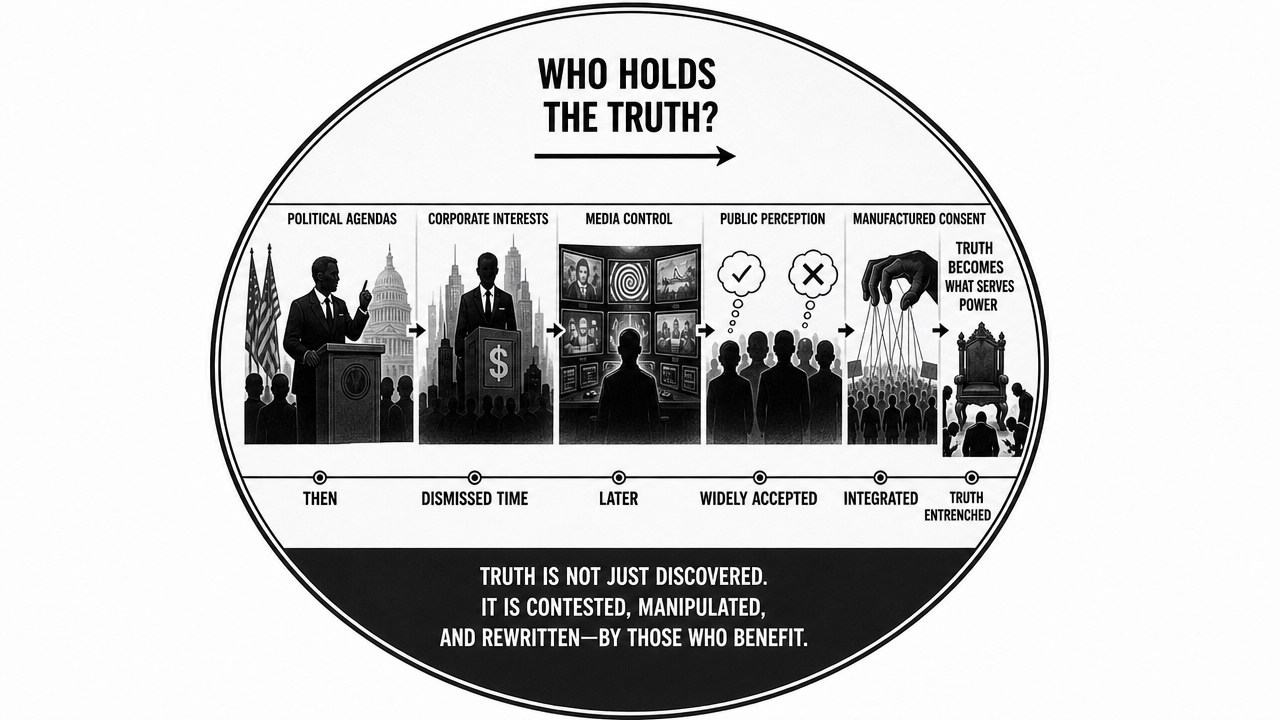
When it is said that we are the ones who create our reality, this example makes it clear. We form realities in this plane with things that exist in another constantly. And that occurs according to our innate characteristics, our programming, traumas, joys, and past experiences.
Living in a virtual reality beyond the one we are already in is like getting into a game within a game. The ‘game of life’ is this realm. Stepping out of it to satisfy our needs speaks of the disconnection between our thinking, saying, and doing. We are not aligned.
Just as we should accept a script as it was originally created and then choose to accept or reject it, let’s not forget that we are talking about ‘entertainment’; our lives cannot lose contact with our essence, our innate power, and the recognition of who we are.
We should resolve our imbalances before asking for a change in the script; by changing the script, we are asking to change reality to fit our imbalances.



Leave a Reply